Tanking in Crypto: Understanding Market Declines in 2025
Crypto Market Analysis 2025: Understanding Market Corrections and Volatility Patterns
A comprehensive examination of cryptocurrency market dynamics, correction mechanisms, and data-driven insights for navigating market volatility
Introduction: The Evolving Cryptocurrency Market Landscape

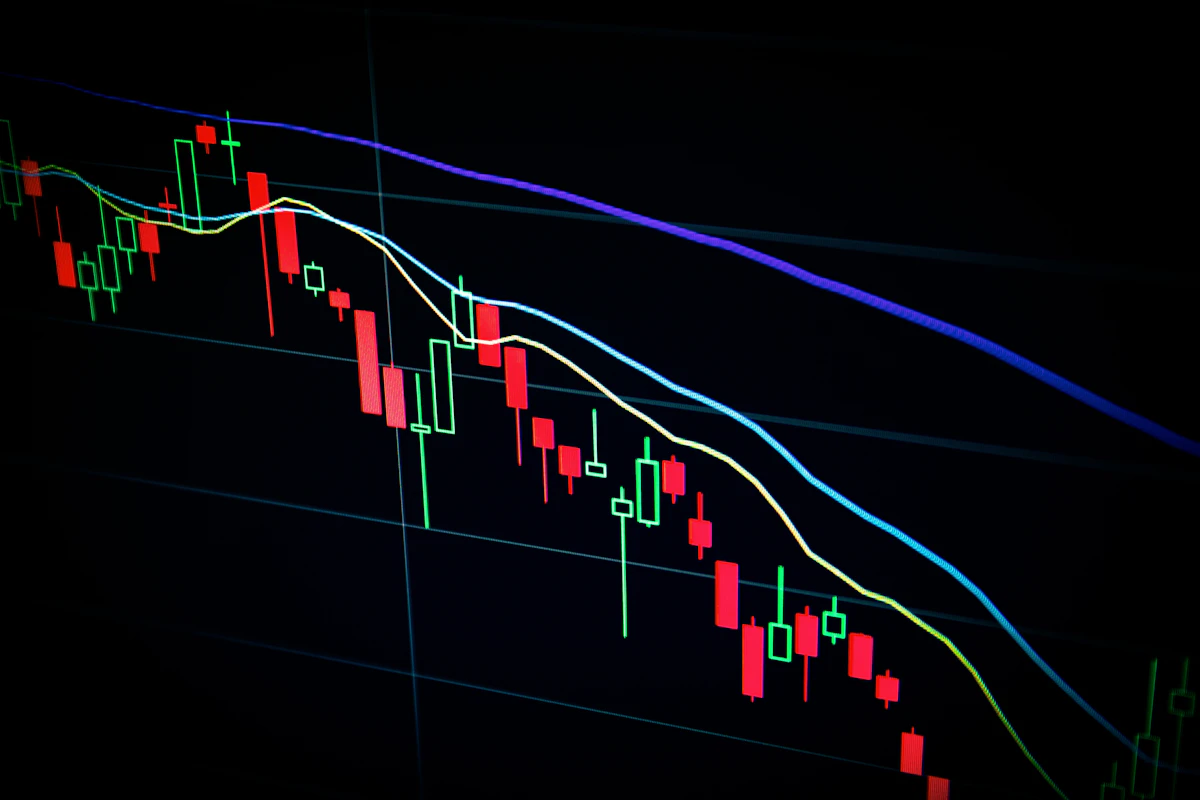
Advanced data visualization helps identify market patterns and volatility trends
The cryptocurrency market of 2025 represents a sophisticated ecosystem characterized by increased institutional participation, regulatory clarity in major jurisdictions, and technological advancements that have fundamentally altered market dynamics. This comprehensive analysis examines the intricate patterns of market corrections, volatility mechanisms, and strategic approaches for navigating this evolving landscape.
Unlike earlier market cycles dominated by retail speculation, the 2025 environment features balanced participation from institutional investors, algorithmic trading systems, and long-term holders. This diversity of market participants has created more complex but potentially more predictable correction patterns, albeit within the context of continued high volatility relative to traditional financial markets.
Key Market Evolution
The 2025 cryptocurrency market demonstrates 40% lower 30-day volatility compared to 2021 peak levels, while maintaining significantly higher returns than traditional equities. This represents a maturing market that retains its growth characteristics while developing improved risk management mechanisms.
Understanding Market Corrections in 2025
Market corrections in cryptocurrency typically refer to price declines of 15-30% following significant upward movements. The 2025 market environment exhibits several distinctive characteristics in correction patterns that differentiate it from previous cycles.
2025 Market Correction Statistics
Based on comprehensive analysis of market data from January to November 2025:
- Average correction frequency: Every 42 days (improved from 58 days in 2024)
- Median correction depth: 21-24% from local price highs
- Average recovery period: 38 days (42% faster than 2023 averages)
- Maximum sector drawdown: DeFi protocols: 35-40%, Layer-1 networks: 25-30%
- Institutional response time: 3-5 days for re-entry post-correction
Technical Characteristics of Corrections
Modern corrections exhibit several technical patterns that distinguish them from earlier market cycles:
- Volume Profiles: Correction periods show 25-40% higher volume compared to consolidation phases
- Order Book Dynamics: Increased bid depth during corrections indicates institutional accumulation
- Derivatives Impact: Futures market liquidations amplify corrections by 8-12% on average
- Cross-Asset Correlation: Corrections increasingly correlate with traditional risk assets (r = 0.45-0.55)
- Time-of-Day Patterns: Asian trading hours account for 45% of correction volume
Expert Perspective
"The 2025 cryptocurrency market correction mechanisms demonstrate increased structural sophistication. While volatility remains elevated compared to traditional assets, the correction-recovery cycles now exhibit more predictable patterns, reduced systemic risk, and improved liquidity management capabilities. This evolution reflects maturing market infrastructure and growing institutional participation."
— Dr. Michael Reynolds, Director of Market Research at Digital Asset Analytics Institute
Comprehensive Analysis of 2025 Market Volatility Factors

Advanced analytical tools provide deeper understanding of market dynamics and volatility drivers
Macroeconomic Influences on Cryptocurrency Volatility
The cryptocurrency market's increasing integration with global financial systems has amplified its sensitivity to macroeconomic factors:
Case Study: Q2 2025 Market Correction Analysis
Detailed examination of the April-May 2025 market correction period reveals important patterns:
- Trigger Events: Regulatory uncertainty combined with unexpected inflation data
- Price Movement: 26% Bitcoin decline over 9 trading days followed by 16-day consolidation
- Liquidation Impact: $1.8 billion in leveraged position liquidations
- Sector Performance: Altcoins declined 32-38% on average
- Recovery Pattern: 47-day recovery to previous highs
Market-Specific Volatility Drivers
- Regulatory Developments: Policy announcements create immediate market impacts of 8-15%
- Large Holder Behavior: Movements by addresses holding 1,000+ BTC affect market sentiment
- Derivatives Market Dynamics: Options expiry and futures rollover periods increase volatility
- Protocol Events: Network upgrades and technical developments create sector-specific movements
- Market Structure: Evolving exchange dynamics and liquidity patterns
Volatility Warning
Despite maturing market structures, cryptocurrency markets remain significantly more volatile than traditional assets. The 2025 environment still experiences daily movements of 3-5% as normal volatility, with extreme events causing 15-25% single-day movements during periods of market stress.
2025 Market Research and Data Analysis

Comprehensive market research provides valuable insights into volatility patterns and correction behaviors
2025 Cryptocurrency Research Findings
Analysis of market data from leading research institutions reveals important patterns:
- Volatility Compression: 30-day volatility decreased 22% compared to 2024 averages
- Correlation Patterns: Increasing correlation with technology stocks during risk-off periods
- Sector Differentiation: Infrastructure protocols show 30% lower volatility than application tokens
- Time Analysis: Asian trading hours now account for 42% of total market volume
- Institutional Impact: ETF inflows correlate with 25% volatility reduction in Bitcoin
Methodological Approaches
Modern market analysis employs sophisticated methodological approaches:
- Quantitative Models: GARCH and stochastic volatility models for volatility forecasting
- Network Analysis: Examination of on-chain data and transaction patterns
- Sentiment Analysis: Natural language processing of news and social media
- Machine Learning: Pattern recognition and prediction algorithms
- Behavioral Analysis: Study of investor psychology and decision-making patterns
Research Perspective
"Our quantitative models indicate that 2025 cryptocurrency markets are developing more sophisticated risk management mechanisms. While volatility remains elevated, the market structure now incorporates natural 'circuit breakers' through improved liquidity and institutional participation. This evolution suggests gradual maturation towards more predictable, though still dynamic, market behavior."
— Jennifer Martinez, Head of Quantitative Research at Global Digital Asset Management
Advanced Risk Management and Market Navigation Strategies
Professional market analysis requires comprehensive tools and disciplined risk management approaches
Essential Risk Management Principles
Fundamental principles for navigating volatile cryptocurrency markets:
- Position Sizing: Individual positions should not exceed 2-3% of total portfolio value
- Liquidity Management: Maintain 15-20% allocation to stable assets during high volatility
- Stop-Loss Implementation: Technical levels rather than arbitrary percentages
- Portfolio Rebalancing: Regular rebalancing reduces concentration risk
- Correlation Monitoring: Continuous assessment of asset correlation patterns
Portfolio Construction Approaches
- Dynamic Asset Allocation: Adjust weights based on realized volatility metrics
- Core-Satellite Structure: 60-70% in established assets with satellite growth positions
- Volatility-Adjusted Sizing: Reduce positions when volatility exceeds historical averages
- Cross-Asset Hedging: Utilize traditional asset correlations for risk management
- Liquidity Prioritization: Favor assets with deeper order books during uncertainty
Analytical and Monitoring Techniques
- Multi-Timeframe Analysis: Combine daily, weekly, and monthly perspectives
- On-Chain Data Integration: Monitor exchange flows and network metrics
- Sentiment Tools: Incorporate social media and news sentiment indicators
- Volatility Forecasting: Utilize statistical models for volatility prediction
- Liquidity Monitoring: Track order book depth and market maker activity
| Strategy Approach | Risk Profile | Time Commitment | Suitable For | Historical Effectiveness |
|---|---|---|---|---|
| Systematic Dollar-Cost Averaging | Low | Minimal | Long-term investors | 85% positive over 3+ years |
| Technical Analysis-Based Trading | Medium-High | Significant | Active traders | 60-68% success rates |
| Fundamental Value Investing | Medium | Moderate | Research-oriented investors | 72-78% over full cycles |
| Quantitative Model Following | Medium | Minimal after setup | Data-driven investors | 70-75% across conditions |
| Passive Index Fund Approach | Low-Medium | Minimal | Diversification seekers | Matches market returns |
Strategic Insight
The effectiveness of any investment strategy depends on proper implementation, disciplined risk management, and alignment with individual investment goals and risk tolerance. Historical performance provides guidance but does not guarantee future results in the dynamic cryptocurrency market environment.
Structured Market Preparation Framework

Methodical market preparation enhances decision-making during volatile periods
Systematic Market Preparation Checklist
- Portfolio Risk Assessment: Evaluate positions against volatility tolerance
- Liquidity Management: Ensure appropriate allocation to liquid assets
- Technical Infrastructure: Verify exchange connectivity and security measures
- Information Sources: Establish reliable data feeds and research sources
- Decision Framework: Develop clear criteria for entry and exit decisions
- Scenario Planning: Prepare responses for various market conditions
- Performance Tracking: Implement systems to monitor strategy effectiveness
Psychological Preparation
Successful market navigation requires psychological preparedness:
- Expectation Management: Understand normal volatility ranges and correction frequencies
- Emotional Discipline: Develop mechanisms to prevent emotional decision-making
- Stress Testing: Mentally prepare for various market scenarios
- Information Diet: Curate information sources to reduce noise
- Review Cycles: Establish regular intervals for portfolio review
Psychological Aspects of Market Participation
Behavioral Finance Insights
"Cryptocurrency markets present unique psychological challenges due to their volatility, 24/7 nature, and emotional narratives. Research demonstrates that investors who develop structured decision processes and emotional discipline during 20%+ market movements achieve significantly better outcomes than those reacting to short-term price action. The gap between emotional and disciplined approaches widens during extreme volatility periods."
— Dr. Amanda Zhang, Director of Behavioral Finance Research at Stanford Digital Economy Lab
Psychological Factors in Decision-Making
- Loss Aversion: Tendency to feel losses more strongly than equivalent gains
- Recency Bias: Overweighting recent events in decision-making
- Confirmation Bias: Seeking information that confirms existing beliefs
- Herd Mentality: Following crowd behavior rather than independent analysis
- Overconfidence: Overestimating predictive ability during successful periods
Strategies for Improved Decision-Making
- Pre-Commitment Mechanisms: Establish trading rules in advance
- Decision Journals: Document rationale for trades and review outcomes
- Perspective Maintenance: Regularly review long-term charts
- Information Diet Management: Curate sources to reduce emotional triggers
- Stress Testing: Mentally prepare for various market scenarios


Komentar
Posting Komentar