Penny Stocks in Crypto: Navigating Low-Cap Altcoins in 2025
Crypto Penny Stocks: Panduan Lengkap Investasi Altcoin Kapitalisasi Kecil di Tahun 2025
Menavigasi Peluang Berisiko Tinggi dengan Potensi Imbal Hasil Besar di Pasar Kripto Kapitalisasi Kecil
Apa Itu Crypto Penny Stocks?
Dalam ekosistem cryptocurrency, istilah "penny stocks" mengacu pada altcoin dengan kapitalisasi pasar kecil yang biasanya bernilai di bawah $100 juta atau diperdagangkan dengan harga di bawah $1. Aset digital ini mewakili proyek blockchain tahap awal, protokol yang sedang berkembang, atau token spekulatif yang menawarkan potensi pengembalian eksponensial di samping risiko yang substansial.

Visualisasi volatilitas tinggi yang menjadi karakteristik crypto penny stocks
Tidak seperti penny stocks ekuitas tradisional, rekanan kripto diperdagangkan 24/7 di bursa global dengan volatilitas yang jauh lebih tinggi. Pada tahun 2025, dengan Bitcoin menetapkan rekor tertinggi baru di atas $100.000, minat pada aset berisiko tinggi dengan potensi imbal hasil besar ini telah melonjak, dengan volume perdagangan di segmen ini meningkat 150% tahun-ke-tahun menurut data analisis pasar terkini.
Perbedaan Kunci dari Penny Stocks Tradisional
Crypto penny stocks berbeda secara fundamental dari rekanan tradisionalnya:
- Pasar Global 24/7: Perdagangan terus menerus tanpa batasan jam pasar
- Infrastruktur Terdesentralisasi: Banyak diperdagangkan di DEX tanpa perantara
- Nilai Berbasis Komunitas: Sentimen sosial sering kali melebihi fundamental
- Inovasi Teknologi: Mewakili aplikasi blockchain mutakhir
- Tokenomics Unik: Model ekonomi token yang berbeda dari struktur ekuitas tradisional
- Regulasi yang Berkembang: Lingkungan regulasi yang masih dalam tahap pembentukan
Karakteristik Crypto Penny Stocks
Aset-aset ini berbagi ciri khas yang menentukan profil risiko-imbal hasil mereka:
- Harga Masuk Rendah: Biasanya diperdagangkan di bawah $1, membuatnya secara psikologis dapat diakses oleh investor ritel. Contoh: Kenaikan Shiba Inu dari $0.00000001 ke $0.00008 pada 2021.
- Volatilitas Ekstrem: Ayunan harga harian 50-100% adalah hal biasa. Pada Q1 2025, volatilitas harian rata-rata untuk token di bawah kapitalisasi pasar $100M mencapai 84% menurut analitik pasar terkini.
- Likuiditas Terbatas: Order book yang tipis menciptakan slippage signifikan dan memungkinkan manipulasi harga. Volume harian rata-rata untuk kategori ini hanya mewakili 2-8% dari kapitalisasi pasar.
- Penggerak Spekulatif: Nilai sering berasal dari hype komunitas, dukungan influencer, atau siklus naratif daripada metrik fundamental.
- Tingkat Kegagalan Tinggi: Sekitar 75% proyek yang diluncurkan dalam kategori ini gagal dalam 18 bulan menurut penelitian industri terkini.
- Risiko Teknologi: Banyak proyek memiliki kelemahan keamanan smart contract yang dapat dieksploitasi.
- Keterpaparan Regulasi: Perubahan regulasi yang tiba-tiba dapat berdampak signifikan pada proyek kecil.
Distribusi Performa Crypto Penny Stock (2024-2025)
Distribusi historis pengembalian untuk aset kripto kapitalisasi kecil
| Tingkat Risiko | Karakteristik Proyek | Tingkat Kegagalan Perkiraan | Potensi Pengembalian |
|---|---|---|---|
| Sangat Tinggi | Memecoins tanpa utilitas, proyek anonim, copycat tokens | 90-95% | 0.01x - 1000x (spekulatif ekstrem) |
| Tinggi | Proyek tahap sangat awal, tim tidak berpengalaman, tokenomics buruk | 75-90% | 0.1x - 100x |
| Sedang-Tinggi | Tim berpengalaman, teknologi baru, roadmap jelas | 50-75% | 0.5x - 50x |
| Sedang | Proyek dengan traksi awal, komunitas aktif, kemitraan terbukti | 30-50% | 1x - 20x |
Potensi Manfaat dan Peluang
Meskipun memiliki risiko signifikan, crypto penny stocks menawarkan keuntungan unik bagi investor yang terinformasi:
- Potensi Pertumbuhan Eksponensial: Identifikasi awal proyek yang menjanjikan dapat menghasilkan pengembalian luar biasa. Polygon (MATIC) memberikan pengembalian lebih dari 15.000% dari awal di bawah $0.01 ke rekor tertinggi 2021.
- Persyaratan Modal Rendah: Investor dapat membangun posisi terdiversifikasi dengan jumlah yang sederhana, mengurangi risiko dolar absolut sambil mempertahankan potensi pengembalian persentase.
- Partisipasi Protokol Awal: Investasi sering kali mencakup hak tata kelola dan peluang staking dalam ekosistem yang sedang berkembang.
- Diversifikasi Portofolio: Pengembalian yang tidak berkorelasi dapat meningkatkan kinerja portofolio keseluruhan ketika diukur dengan tepat.
- Paparan Inovasi: Akses langsung ke perkembangan blockchain mutakhir dalam DeFi, NFT, gaming, dan infrastruktur.
- Pasar yang Tidak Efisien: Kurangnya analisis institusional menciptakan peluang untuk investor yang melakukan riset mendalam.
- Siklus Pasar yang Dapat Diprediksi: Peningkatan aktivitas biasanya mengikuti siklus Bitcoin yang dapat diidentifikasi.
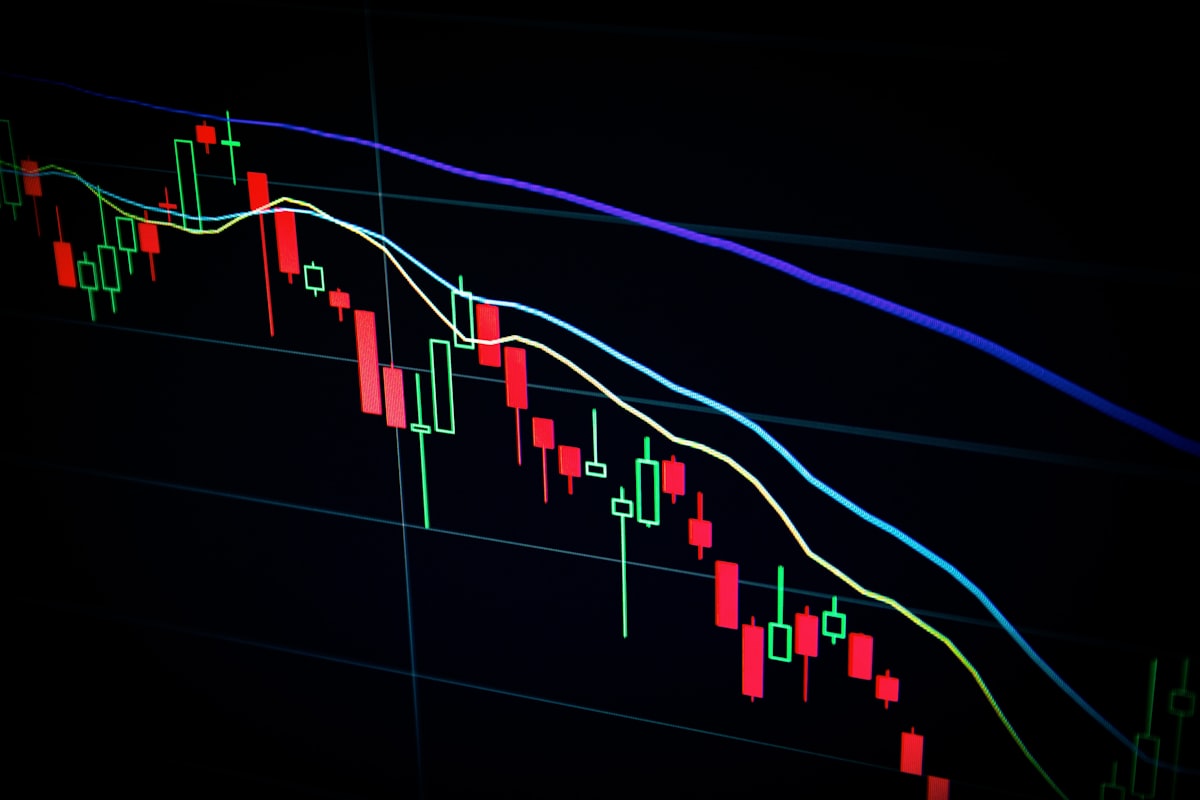
Alat analisis untuk mengevaluasi proyek crypto kapitalisasi kecil
Studi Kasus: Kebangkitan Avalanche (AVAX)
Pada tahun 2020, Avalanche diluncurkan dengan harga token di bawah $3 dan kapitalisasi pasar di bawah $100 juta. Meskipun bersaing di ruang platform kontrak pintar yang padat, mekanisme konsensus baru dan lingkungan yang ramah pengembang menarik aktivitas pembangunan.
Pada Q4 2021, AVAX mencapai rekor tertinggi sepanjang masa sebesar $146, mewakili peningkatan 4.700% dari harga awalnya. Keberhasilan proyek ini menunjukkan bagaimana keunggulan teknologi fundamental yang dikombinasikan dengan pengembangan ekosistem yang kuat dapat mendorong pengembalian substansial dalam segmen kapitalisasi kecil.
Studi kasus ini menyoroti pentingnya mengidentifikasi proyek dengan diferensiasi teknologi asli dan kapabilitas eksekusi daripada sekadar hype.
Risiko dan Tantangan Signifikan
Investor harus memahami secara menyeluruh risiko substansial yang terkait dengan crypto penny stocks:
- Rug Pulls dan Exit Scams: Diperkirakan $4,3 miliar hilang karena proyek penipuan pada tahun 2024 saja menurut analisis keuangan terkini. Skema ini sering melibatkan pengembang yang meninggalkan proyek setelah mengumpulkan dana.
- Volatilitas Ekstrem: Bahkan proyek yang sah dapat mengalami penurunan 80-90% selama koreksi pasar. Koreksi 20% Bitcoin biasanya memperkuat menjadi penurunan 50-70% di segmen ini.
- Ketidakpastian Regulasi: SEC telah meningkatkan tindakan penegakan terhadap proyek kapitalisasi kecil, dengan 42 kasus yang dimulai pada 2024 menargetkan penawaran sekuritas tidak terdaftar yang diduga.
- Jebakan Likuiditas: Investor mungkin tidak dapat keluar dari posisi selama tekanan pasar karena kedalaman order book yang terbatas.
- Kompleksitas Teknis: Banyak investor kekurangan keahlian teknis untuk mengevaluasi fundamental blockchain, keamanan kontrak pintar, atau keberlanjutan tokenomics.
- Manipulasi Pasar: Pasar yang tidak likuid rentan terhadap manipulasi oleh whale atau kelompok terkoordinasi.
- Teknologi yang Belum Teruji: Banyak proyek menggunakan teknologi eksperimental dengan risiko kegagalan teknis yang tinggi.
Peringatan Kritis: Demam Memecoin
Siklus memecoin 2023-2024 melihat token seperti Pepe (PEPE) dan Bonk (BONK) menghasilkan pengembalian luar biasa, menarik investor yang tidak berpengalaman. Namun, lebih dari 95% memecoins yang diluncurkan selama periode ini kehilangan 90%+ nilainya dalam 3 bulan. Aset-aset ini biasanya memiliki nilai fundamental nol dan mewakili spekulasi murni.
Meskipun kesuksesan sesekali menarik perhatian, sebagian besar investor memecoin menderita kerugian signifikan. Dekati kategori ini dengan kehati-hatian ekstrem dan jangan pernah berinvestasi lebih dari yang Anda mampu untuk kehilangan sepenuhnya.
"Ruang crypto penny stock menggabungkan potensi pengembalian tertinggi dalam aset digital dengan risiko paling signifikan. Navigasi yang berhasil memerlukan bagian yang sama dari analisis teknis, penelitian fundamental, dan disiplin psikologis. Kebanyakan investor akan lebih baik dilayani dengan menghindari kategori ini sepenuhnya."
Tren dan Perkembangan Pasar 2025
Lanskap crypto penny stock terus berkembang dengan beberapa tren yang patut diperhatikan:
- Korelasi Dominasi Bitcoin: Saat Bitcoin mendekati rekor tertinggi baru, modal biasanya berputar ke aset yang lebih berisiko. Korelasi 60 hari antara dominasi BTC dan kinerja altcoin penny stock mencapai -0,78 di awal 2025.
- Tokenisasi Aset Dunia Nyata (RWA): Proyek yang menjembatani keuangan tradisional dengan blockchain telah menarik investasi signifikan, dengan kategori RWA tumbuh 320% dalam kapitalisasi pasar selama 2024.
- Ekspansi Ekosistem Layer 2: Saat solusi penskalaan Ethereum matang, aplikasi yang dibangun di atas Arbitrum, Optimism, dan Base telah muncul sebagai kandidat penny stock yang menjanjikan.
- Intensifikasi Pengawasan Regulasi: Regulator global meningkatkan pengawasan, dengan regulasi MiCA UE dan proposal legislatif AS menciptakan tantangan dan kejelasan.
- Konvergensi AI dan Blockchain: Proyek yang menggabungkan kecerdasan buatan dengan jaringan terdesentralisasi mewakili salah satu kategori dengan pertumbuhan tercepat, meskipun diferensiasi tetap menantang.
- Fokus pada Keberlanjutan: Proyek dengan model energi yang lebih efisien dan dampak lingkungan yang lebih rendah mendapatkan daya tarik.
- Interoperabilitas Rantai Silang: Solusi yang memungkinkan transfer aset yang mulus antar blockchain menjadi semakin penting.
Kinerja Kategori Crypto Penny Stock (2024-2025)
Perbandingan kinerja berbagai segmen dalam pasar crypto kapitalisasi kecil
Pendekatan Investasi Strategis
Investasi yang berhasil dalam kategori berisiko tinggi ini memerlukan strategi yang disiplin:
- Kerangka Due Diligence Komprehensif:
- Evaluasi tim: Tinjau pengalaman, kredibilitas, dan proyek sebelumnya
- Analisis tokenomics: Tinjau distribusi, jadwal vesting, dan mekanisme inflasi
- Penilaian teknologi: Audit kontrak pintar dan tinjau aktivitas GitHub
- Posisi pasar: Evaluasi lanskap kompetitif dan diferensiasi
- Analisis komunitas: Ukur keterlibatan dan pertumbuhan komunitas
- Penilaian kemitraan: Evaluasi aliansi strategis dan integrasi
- Disiplin Ukuran Posisi: Alokasikan tidak lebih dari 1-5% dari total portofolio ke posisi spekulatif, dengan posisi individual berukuran 0,25-1% dari nilai portofolio.
- Strategi Entri Bertahap: Masuk ke posisi seiring waktu daripada menginvestasikan jumlah sekaligus untuk meratakan harga masuk.
- Manajemen Risiko yang Ketat: Terapkan perintah stop-loss atau kriteria keluar yang telah ditentukan untuk membatasi kerugian pada investasi yang tidak berhasil.
- Rebalancing Portofolio: Secara sistematis mengambil keuntungan pada investasi yang berhasil untuk mendaur ulang modal dan mempertahankan persentase alokasi target.
- Diversifikasi Vertikal: Investasikan di berbagai lapisan stack teknologi blockchain (L1, L2, aplikasi, infrastruktur).
- Pemantauan Berkelanjutan: Lacak metrik on-chain, aktivitas pengembangan, dan dinamika komunitas.

Proses evaluasi berlapis untuk proyek crypto kapitalisasi kecil
Wawasan Profesional: "Investor crypto kapitalisasi kecil paling sukses yang saya amati menggabungkan pemahaman teknis yang mendalam dengan ukuran posisi yang ketat. Mereka mengenali bahwa 19 dari 20 investasi mungkin gagal, tetapi satu kesuksesan dapat mengembalikan seluruh portofolio. Profil pengembalian asimetris ini menuntut baik keyakinan maupun kerendahan hati." - Samantha Wu, Mitra Venture di Dana Asli Crypto
Panduan Implementasi Praktis
Untuk investor yang mempertimbangkan masuk ke crypto penny stocks, ikuti pendekatan sistematis ini:
- Pendidikan dan Riset: Kembangkan pengetahuan dasar tentang teknologi blockchain, ekonomi token, dan dinamika pasar menggunakan sumber daya pendidikan yang tersedia.
- Pemilihan Platform: Pilih bursa yang memiliki reputasi baik dengan langkah-langkah keamanan yang kuat. Pertimbangkan baik opsi terpusat maupun platform terdesentralisasi untuk akses yang lebih luas.
- Proses Due Diligence: Terapkan daftar periksa standar untuk mengevaluasi proyek yang mencakup tim, teknologi, tokenomics, komunitas, dan faktor pasar.
- Konstruksi Portofolio: Mulai dengan alokasi kecil ke 5-10 proyek berbeda di berbagai kategori untuk mendiversifikasi risiko proyek tertentu.
- Pemantauan Berkelanjutan: Secara teratur tinjau investasi untuk perubahan fundamental, perkembangan pasar, dan peluang rebalancing portofolio.
- Praktik Keamanan Terbaik: Gunakan hardware wallet untuk penyimpanan, aktifkan autentikasi dua faktor, dan pertahankan higienitas keamanan operasional.
- Pencatatan yang Tepat: Pertahankan catatan terperinci tentang semua investasi, termasuk alasan masuk, kriteria keluar, dan analisis pasca-investasi.
- Tinjauan Berkala: Lakukan penilaian portofolio triwulanan untuk mengevaluasi kinerja dan menyesuaikan strategi sesuai kebutuhan.
"Transisi dari investor pemula ke profesional dalam ruang crypto kapitalisasi kecil memerlukan pergeseran pola pikir dari pencarian 'kesempatan sekali seumur hidup' ke pendekatan yang sistematis dan berulang. Kesuksesan jangka panjang berasal dari proses yang dapat direproduksi, bukan keberuntungan dengan satu investasi."
Poin-Poin Penting untuk Investor
Crypto penny stocks mewakili segmen aset digital dengan risiko tertinggi dan potensi pengembalian tertinggi. Meskipun keuntungan luar biasa mungkin terjadi, sebagian besar proyek gagal sepenuhnya. Kesuksesan di ruang ini memerlukan penelitian ekstensif, manajemen risiko yang ketat, disiplin psikologis, dan pengakuan bahwa sebagian besar investasi tidak akan berhasil.
Untuk kebanyakan investor, alokasi kecil yang diukur dengan hati-hati ke kategori ini dalam portofolio yang terdiversifikasi mewakili pendekatan yang paling bijaksana. Penting untuk diingat bahwa investasi spekulatif harus dianggap sebagai bagian dari strategi investasi keseluruhan, bukan sebagai rencana kekayaan yang berdiri sendiri.
Lanskap crypto kapitalisasi kecil terus berkembang, dengan teknologi baru, model tokenomics inovatif, dan kasus penggunaan yang muncul secara teratur. Investor yang berhasil adalah mereka yang dapat beradaptasi dengan perubahan ini sambil tetap setia pada prinsip-prinsip dasar manajemen risiko dan penelitian yang cermat.


Komentar
Posting Komentar