Broker in Crypto: Navigating the Trading Landscape in 2025
Broker Crypto: Panduan Lengkap Platform Trading dan Strategi di Tahun 2025
Menavigasi Lanskap yang Berkembang dari Platform Trading Cryptocurrency dan Layanan Broker
Memahami Broker Crypto
Broker crypto berfungsi sebagai perantara penting dalam ekosistem aset digital, menyediakan akses bagi individu dan institusi ke pasar cryptocurrency melalui berbagai platform trading dan layanan. Berbeda dengan broker finansial tradisional, broker crypto beroperasi di pasar global 24/7 dengan kebutuhan teknologi dan pertimbangan regulasi yang unik.
Ketika Bitcoin melampaui $100.000 di awal 2025 dan volume trading cryptocurrency harian melebihi $150 miliar, peran broker crypto menjadi semakin canggih. Menurut analisis dari laporan keuangan terbaru, pasar broker crypto global mencapai $28 miliar dalam pendapatan di tahun 2024, dengan proyeksi menunjukkan pertumbuhan tahunan 35% hingga 2027 seiring dengan akselerasi partisipasi institusional.

Visualisasi pasar cryptocurrency yang menunjukkan kompleksitas dan dinamika trading modern
Evolusi Layanan Broker Crypto
Industri broker crypto telah berevolusi secara signifikan sejak awal kemunculannya:
- Generasi Pertama (2010-2016): Platform trading dasar dengan fungsionalitas dan keamanan terbatas
- Generasi Kedua (2017-2021): Platform yang ditingkatkan dengan tipe order lanjutan, aplikasi mobile, dan layanan institusional dasar
- Generasi Ketiga (2022-2025): Ekosistem komprehensif yang menawarkan trading, staking, lending, dan alat manajemen risiko canggih
- Evolusi Masa Depan: Trading berbasis AI, interoperabilitas cross-chain, dan kerangka kerja institusional yang sesuai regulasi
Jenis-Jenis Broker Crypto
Lanskap broker crypto mencakup berbagai model bisnis yang melayani kebutuhan pengguna yang berbeda:
| Jenis Broker | Fitur Utama | Terbaik Untuk | Contoh Platform |
|---|---|---|---|
| Pertukaran Terpusat (CEX) | Custodial, fiat on-ramps, likuiditas tinggi | Pemula, trader high-frequency | Coinbase, Binance, Kraken |
| Pertukaran Terdesentralisasi (DEX) | Non-custodial, peer-to-peer, permissionless | Pengguna lanjutan, peserta DeFi | Uniswap, Curve, PancakeSwap |
| Desk OTC | Block trade besar, layanan personal | Institusi, individu dengan kekayaan bersih tinggi | Genesis, FalconX, B2C2 |
| Platform Hybrid | Menggabungkan kenyamanan CEX dengan fitur DEX | Pengguna dengan pendekatan seimbang | Coinbase Advanced, Binance DEX |

Diagram perbandingan arsitektur pertukaran terpusat vs terdesentralisasi
Pertukaran Terpusat Pemula
Platform seperti Coinbase dan Binance bertindak sebagai perantara, memegang dana pengguna dan memfasilitasi perdagangan. Mereka menawarkan antarmuka yang ramah pengguna, dukungan pelanggan, dan kepatuhan regulasi.
Keunggulan: Fiat onboarding mudah, likuiditas tinggi, perlindungan asuransi
Pertimbangan: Risiko custodial, persyaratan KYC, potensi downtime
Pertukaran Terdesentralisasi Lanjutan
Platform seperti Uniswap dan Curve memungkinkan perdagangan peer-to-peer tanpa perantara menggunakan kontrak pintar dan pool likuiditas.
Keunggulan: Non-custodial, permissionless, tahan sensor
Pertimbangan: Kompleksitas teknis, slippage, risiko kontrak pintar
Desk OTC Institusional
Layanan seperti Genesis Trading dan FalconX memfasilitasi perdagangan besar secara langsung antara pihak-pihak, meminimalkan dampak pasar dan memberikan eksekusi yang dipersonalisasi.
Keunggulan: Dampak pasar minimal, layanan kustom, harga kompetitif
Pertimbangan: Minimum tinggi, risiko pihak lawan, transparansi lebih rendah
Wawasan Pakar: "Trader yang paling canggih menggunakan berbagai jenis broker secara strategis. Mereka mungkin menggunakan pertukaran terpusat untuk fiat onboarding dan pasangan likuid, pertukaran terdesentralisasi untuk token yang baru muncul, dan desk OTC untuk posisi institusional besar. Memahami kekuatan dan keterbatasan setiap jenis broker sangat penting untuk mengoptimalkan eksekusi dan mengelola risiko." - Michael Chen, Kepala Trading di Dana Crypto
Kriteria Seleksi Broker Kunci
Memilih broker crypto yang tepat memerlukan evaluasi cermat terhadap beberapa faktor:
Prioritas Seleksi Broker Crypto (Survei Trader 2025)
Visualisasi data prioritas trader dalam memilih platform broker
- Infrastruktur Keamanan: Wallet multi-signature, persentase cold storage, cakupan asuransi, dan riwayat audit keamanan. Menurut analisis industri, pertukaran dengan asuransi komprehensif mengalami retensi pengguna 65% lebih tinggi selama insiden keamanan.
- Transparansi Struktur Biaya: Biaya trading, biaya penarikan, margin spread, dan biaya tersembunyi. Rata-rata biaya trading spot menurun menjadi 0.18% pada 2024 dari 0.25% pada 2022 karena peningkatan kompetisi.
- Kepatuhan Regulasi: Lisensi di yurisdiksi utama, prosedur KYC/AML, dan riwayat regulasi. Platform dengan beberapa lisensi mengalami adopsi institusional 40% lebih tinggi pada 2024.
- Kedalaman Likuiditas: Kedalaman order book, ketatnya spread, dan pasangan trading yang tersedia. Pertukaran tingkat atas mempertahankan spread rata-rata di bawah 0.1% untuk pasangan utama.
- Keandalan Platform: Statistik uptime, stabilitas API, dan performa selama volatilitas tinggi. Platform terkemuka mempertahankan uptime 99.9%+ meskipun lonjakan volume 100x.
- Diversifikasi Aset: Jumlah dan kualitas aset kripto yang tersedia untuk diperdagangkan, termasuk token DeFi dan NFT yang baru muncul.
- Antarmuka Pengguna: Kemudahan penggunaan, alat charting yang komprehensif, dan pengalaman mobile yang optimal.
Studi Kasus: Evolusi Keamanan Broker Crypto
Mengikuti peretasan Mt. Gox 2014 yang mengakibatkan kerugian $460 juta, keamanan broker crypto mengalami transformasi radikal. Pertukaran awal menyimpan sebagian besar aset dalam hot wallet yang rentan terhadap serangan.
Pada 2025, broker terkemuka seperti Coinbase dan Kraken menyimpan 95-98% aset dalam cold storage, menggunakan protokol multi-signature, dan membawa kebijakan asuransi yang substansial. Audit keamanan pihak ketiga secara berkala, program bug bounty, dan sistem monitoring lanjutan telah menjadi standar industri.
Evolusi ini menunjukkan bagaimana keamanan telah bergeser dari pemikiran sekunder menjadi pembeda kompetitif utama dalam ruang broker crypto.
Praktik Keamanan Terbaik
Melindungi aset saat menggunakan broker crypto memerlukan langkah-langkah keamanan proaktif:
Perlindungan Akun
Aktifkan autentikasi dua faktor (2FA) menggunakan aplikasi authenticator daripada SMS. Gunakan kata sandi unik yang kompleks dan pertimbangkan kunci keamanan hardware untuk perlindungan tambahan.
Lanjutan: Masukkan alamat penarikan dalam whitelist dan tetapkan batas transaksi untuk mencegah transfer tidak sah.
Strategi Penyimpanan Aset
Pertahankan hanya jumlah trading di pertukaran, mentransfer sebagian besar ke solusi self-custody seperti hardware wallet. Gunakan setup multi-signature untuk kepemilikan signifikan.
Lanjutan: Implementasikan distribusi geografis dari kunci cadangan dan gunakan perangkat khusus untuk aktivitas trading.
Keamanan Operasional
Hindari Wi-Fi publik untuk aktivitas trading, gunakan VPN, dan pertahankan perangkat lunak antivirus yang diperbarui. Waspadai upaya phishing dan aplikasi palsu.
Lanjutan: Gunakan akun email dan perangkat terpisah untuk aktivitas crypto untuk meminimalkan permukaan serangan.
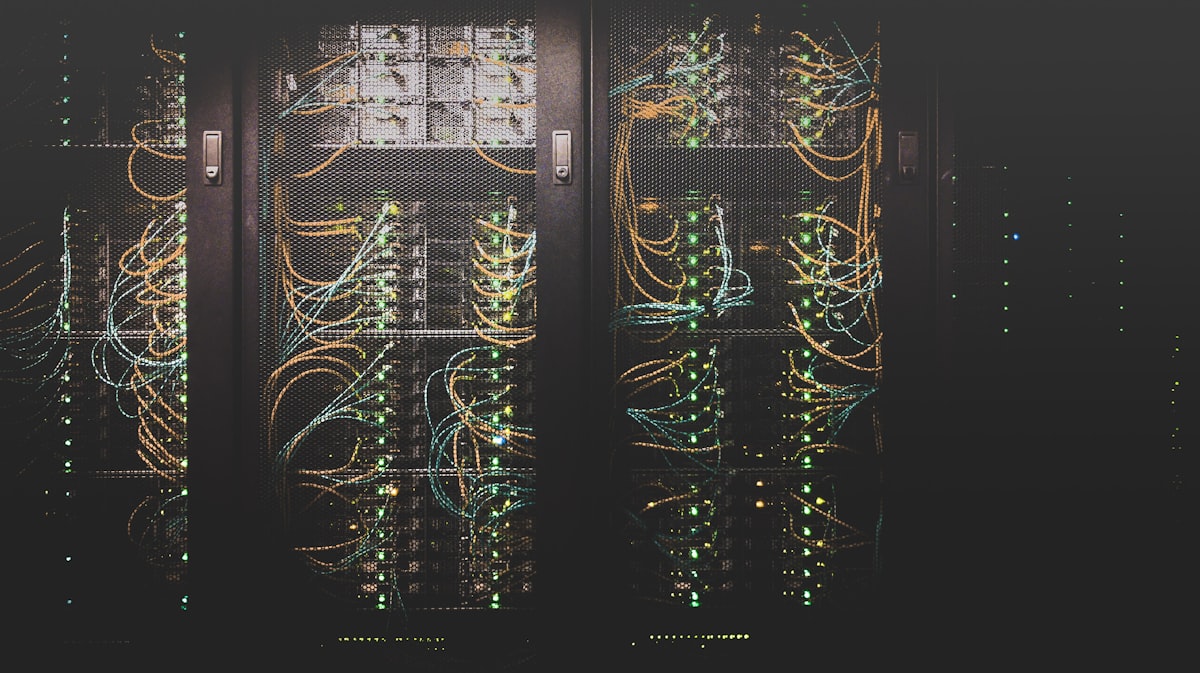
Konsep keamanan digital dan enkripsi dalam konteks penyimpanan aset kripto
Peringatan Keamanan Kritis: Manajemen Kunci API
Kunci API mewakili salah satu kerentanan keamanan paling signifikan untuk trader aktif. Pada 2024, kompromi kunci API mengakibatkan lebih dari $180 juta kerugian menurut firma keamanan blockchain.
Selalu batasi kunci API hanya ke izin yang diperlukan (jangan pernah aktifkan izin penarikan), gunakan IP whitelisting, dan rotasi kunci secara teratur. Pertimbangkan untuk menggunakan terminal trading khusus daripada menghubungkan kunci API langsung ke layanan pihak ketiga.
"Kegagalan keamanan paling umum yang saya lihat bukan berasal dari upaya peretasan canggih tetapi dari kelalaian keamanan operasional dasar. Trader menggunakan kata sandi yang sama di beberapa platform, menonaktifkan 2FA untuk kenyamanan, atau mengklik tautan phishing menyumbang sebagian besar kerugian yang dapat dicegah. Keamanan adalah proses, bukan produk, dan memerlukan kewaspadaan konstan."
Tren Pasar 2025 dan Inovasi
Industri broker crypto terus berkembang dengan perkembangan signifikan:
- Infrastruktur Tingkat Institusional: Lembaga keuangan utama mengembangkan desk trading crypto canggih dengan algoritma eksekusi lanjutan dan kerangka kerja kepatuhan regulasi.
- Trading Cross-Chain: Broker mengimplementasikan swap cross-chain native, memungkinkan perdagangan mulus antara aset di blockchain berbeda tanpa kompleksitas wrapping atau bridging.
- Eksekusi Berbasis AI: Algoritma lanjutan menggunakan pembelajaran mesin mengoptimalkan eksekusi perdagangan di berbagai venue, mengurangi slippage dan meningkatkan tingkat pengisian sebesar 15-30% menurut analisis industri.
- Integrasi Regulasi: Pelaporan pajak real-time, monitoring kepatuhan, dan jejak audit tingkat institusional menjadi fitur standar di platform broker utama.
- Fitur Social Trading: Copy trading, berbagi strategi, dan analitik komunitas diintegrasikan langsung ke platform broker, terutama menargetkan pengguna ritel.
- Tokenisasi Aset Tradisional: Integrasi aset tokenized seperti saham, obligasi, dan komoditas ke dalam platform trading crypto terpadu.
- Analisis Prediktif Lanjutan: Alat analisis yang menggunakan big data dan machine learning untuk memberikan wawasan pasar prediktif kepada trader.
Bagian Pasar Broker Crypto berdasarkan Jenis (2025)
Distribusi pangsa pasar platform broker berdasarkan tipe arsitektur
Perkembangan infrastruktur DeFi juga mendorong evolusi broker crypto. Protokol lending dan borrowing terdesentralisasi, yield farming yang otomatis, dan strategi manajemen portofolio berbasis smart contract semakin terintegrasi ke dalam platform broker utama. Integrasi ini memungkinkan trader untuk mengakses berbagai produk keuangan terdesentralisasi tanpa meninggalkan antarmuka broker utama mereka.
Pertimbangan Strategi Trading
Trading crypto yang sukses memerlukan penyelarasan seleksi broker dengan strategi trading:
- High-Frequency Trading: Membutuhkan broker dengan latensi rendah, API yang kuat, dan likuiditas tinggi. Biasanya menggunakan pertukaran terpusat dengan konektivitas institusional.
- Strategi Arbitrase: Manfaatkan broker dengan beberapa pasangan trading dan fungsionalitas cross-exchange. Sering menggunakan kombinasi platform CEX dan DEX.
- Investasi Jangka Panjang: Prioritaskan keamanan, asuransi, dan kepatuhan regulasi daripada fitur trading. Sering menggunakan pertukaran terpusat mapan dengan rekam jejak kuat.
- Partisipasi DeFi: Membutuhkan akses ke pertukaran terdesentralisasi dan kemampuan cross-chain. Fokus pada solusi non-custodial dan optimasi gas.
- Trading Institusional: Menuntut layanan OTC, eksekusi algoritmik, dan kepatuhan regulasi. Menggunakan platform institusional khusus dan layanan prime brokerage.
- Swing Trading: Cari platform dengan alat analisis teknis komprehensif, notifikasi real-time, dan spread yang kompetitif untuk posisi menengah.
- Scalping: Fokus pada platform dengan biaya transaksi sangat rendah, eksekusi cepat, dan likuiditas dalam untuk pasangan trading utama.
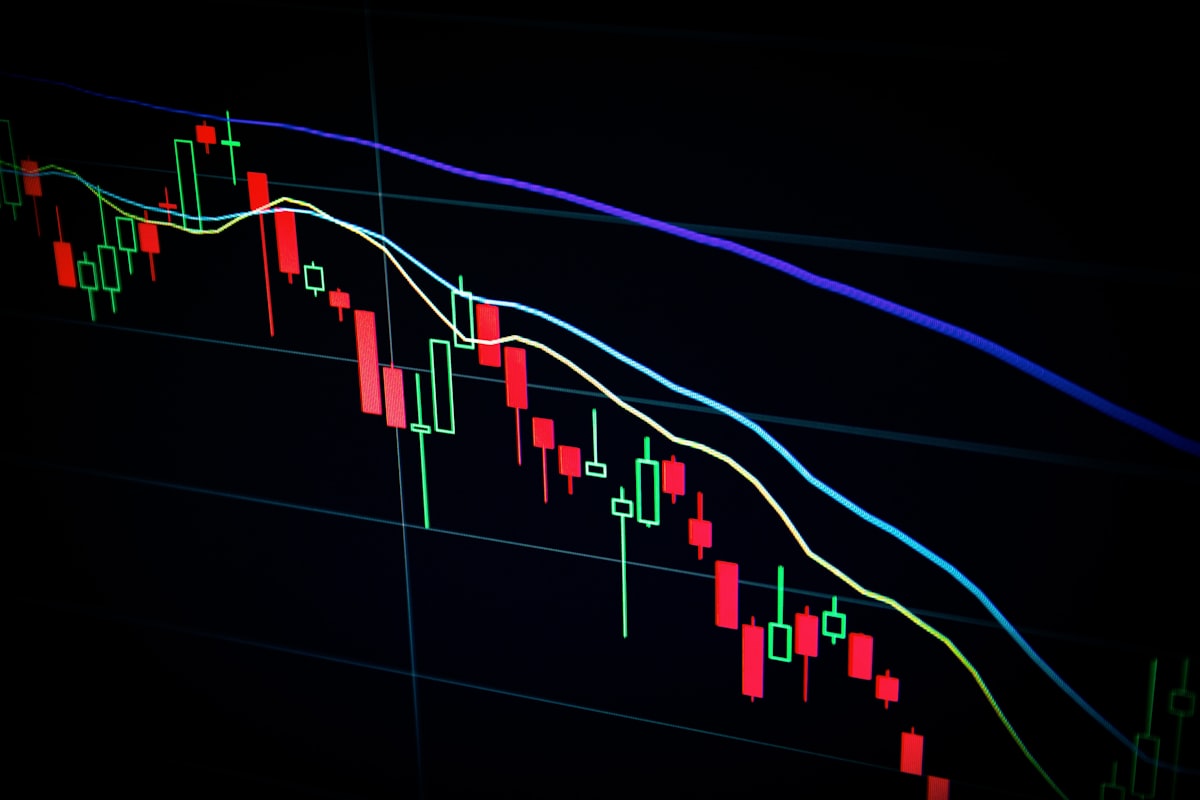
Setup workstation trading profesional dengan analisis teknis multi-monitor
Wawasan Profesional: "Trader paling sukses yang pernah saya ajak bekerja memperlakukan seleksi broker sebagai keputusan strategis daripada pilihan kenyamanan. Mereka mempertahankan akun di berbagai jenis broker, memahami bahwa platform berbeda unggul di area berbeda. Pendekatan broker yang terdiversifikasi memberikan redundansi, opsi eksekusi yang lebih baik, dan mitigasi risiko ketika platform spesifik mengalami masalah." - Jennifer Lee, Manajer Portofolio di Dana Aset Digital
Mempertimbangkan faktor-faktor seperti volume trading harian, persyaratan margin, ketersediaan leverage, dan kedalaman order book sangat penting ketika menyesuaikan broker dengan strategi trading tertentu. Trader juga harus mempertimbangkan aspek pajak, karena platform yang berbeda menawarkan alat pelaporan pajak dengan tingkat kecanggihan yang berbeda-beda.
Memulai dengan Broker Crypto
Untuk trader yang memulai perjalanan broker crypto mereka, ikuti pendekatan sistematis ini:
- Pendidikan dan Riset: Kembangkan pengetahuan dasar tentang pasar cryptocurrency dan konsep trading menggunakan sumber daya edukasi dan materi pembelajaran platform.
- Seleksi Broker: Pilih 2-3 broker yang selaras dengan gaya trading, tingkat pengalaman, dan persyaratan keamanan berdasarkan perbandingan komprehensif.
- Setup Akun dan Keamanan: Selesaikan proses verifikasi dan terapkan langkah-langkah keamanan yang kuat termasuk 2FA, whitelisting penarikan, dan pembatasan kunci API.
- Strategi Pendanaan: Mulai dengan jumlah kecil, pahami struktur biaya, dan latihan mentransfer antara wallet dan pertukaran.
- Pengembangan Rencana Trading: Tetapkan aturan manajemen risiko yang jelas, strategi ukuran posisi, dan pelacakan kinerja sebelum mengeksekusi perdagangan signifikan.
- Evaluasi Berkelanjutan: Secara teratur menilai kinerja broker, praktik keamanan, dan struktur biaya sambil tetap mengikuti perkembangan industri.
- Diversifikasi Platform: Pertimbangkan untuk menggunakan beberapa broker untuk akses ke aset berbeda, likuiditas yang lebih baik, dan mitigasi risiko platform.
- Pelacakan Kinerja: Implementasikan sistem untuk melacak kinerja trading di berbagai platform dan mengidentifikasi area untuk perbaikan.
"Transisi dari trader pemula ke profesional memerlukan perubahan pola pikir dari mencari platform 'terbaik' tunggal ke membangun ekosistem platform yang saling melengkapi. Tidak ada broker tunggal yang unggul dalam segala hal, jadi trader yang cerdas belajar untuk memanfaatkan kekuatan masing-masing platform sambil mengelola kelemahannya."
Poin-Poin Penting untuk Trader Crypto
Broker crypto mewakili infrastruktur kritis yang memungkinkan partisipasi dalam pasar aset digital, dengan platform beragam yang melayani gaya trading dan tingkat pengalaman berbeda. Seiring industri matang, perbedaan antara jenis broker terus kabur sementara spesialisasi meningkat. Navigasi sukses lanskap ini memerlukan pemahaman tentang trade-off antara keamanan, kenyamanan, biaya, dan fungsionalitas.
Dengan menyelaraskan seleksi broker dengan tujuan trading individu dan mempertahankan praktik keamanan yang ketat, trader dapat mengoptimalkan pengalaman mereka sambil mengelola risiko unik pasar cryptocurrency. Evolusi berkelanjutan dari teknologi blockchain dan adopsi institusional yang meningkat menunjukkan bahwa lanskap broker crypto akan terus berkembang, menawarkan peluang baru sekaligus tantangan baru untuk trader di semua tingkat pengalaman.
Masa depan trading crypto kemungkinan akan melihat integrasi yang lebih dalam antara platform tradisional dan terdesentralisasi, dengan fokus yang lebih besar pada interoperability, otomatisasi, dan alat analisis canggih. Trader yang berhasil akan menjadi mereka yang dapat beradaptasi dengan perubahan ini sambil mempertahankan prinsip-prinsip dasar manajemen risiko dan keamanan digital.


Komentar
Posting Komentar